A 1500 calorie meal plan can support steady weight loss for many adults when it is built around protein, vegetables, fruit, beans and whole grains. The 7-day high-protein menu below averages 1,503 calories, 122 grams of protein and 33 grams of fiber a day, calculated from USDA FoodData Central. It suits many women and some smaller or less active men, so check your own calorie target before you start.
Key takeaways
- Guidelines usually set 1,200 to 1,500 calories a day for women and 1,500 to 1,800 for men trying to lose weight, so 1,500 fits many women and smaller or less active men.
- Aim for 1.2 to 1.6 grams of protein per kilogram of body weight a day (about 0.55 to 0.73 grams per pound), the range in the 2025–2030 Dietary Guidelines, adjusted to your calorie needs.
- Each day below has 1,483 to 1,533 calories, 108 to 135 grams of protein and 29 to 40 grams of fiber.
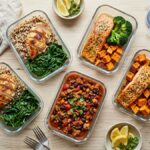
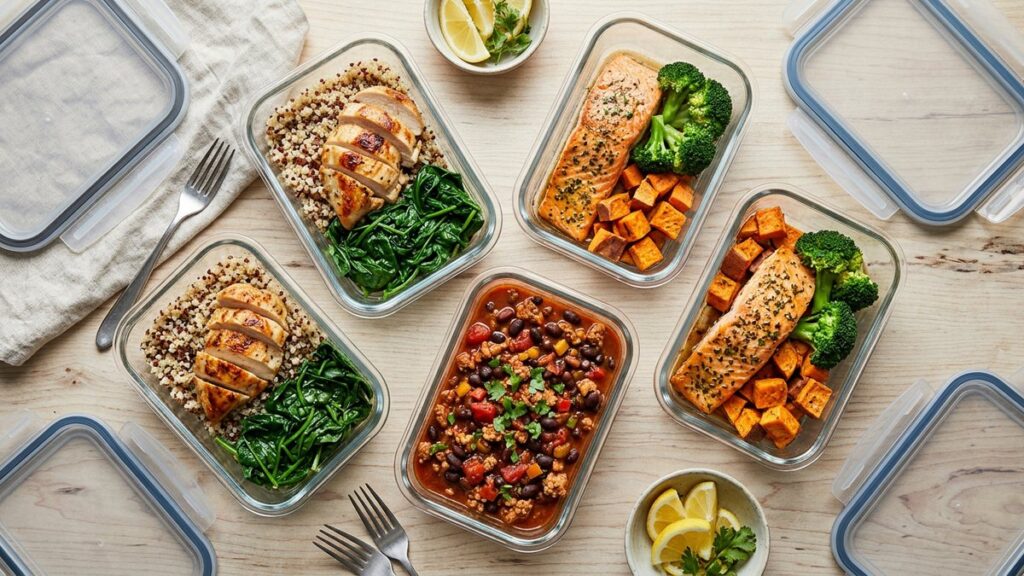
- Batch-cooking chicken, turkey chili, pork tenderloin and two grains covers most weekday meals.
- After two weeks, adjust by 100 to 200 calories based on your weight trend, not a single weigh-in.
Who a 1500 calorie meal plan suits
The AHA/ACC/TOS obesity guideline says a deficit of 500 calories or more a day can typically be reached with 1,200 to 1,500 calories for women and 1,500 to 1,800 for men, usually adjusted for body weight and activity (Jensen et al., Circulation). In practice:
- Good fit: many women who want to lose weight, plus shorter or less active men.
- Probably too low: taller or very active men. Start at 1,700 to 1,800 calories using the add-ons in the adjustment section.
- Slower loss: smaller, less active women burn fewer calories, so 1,500 may create only a small deficit.
Not sure of your number? Start with our guide to how many calories to eat to lose weight.
Daily targets: protein, fiber, carbs and fat
Protein matters more when calories are limited, so we built this as a high protein meal plan for weight loss. A 2020 review notes that several clinical trials found eating more protein than the recommended dietary allowance helped people lose weight and fat mass while preserving fat-free mass, the muscle and other lean tissue you want to keep (Moon and Koh, Journal of Obesity & Metabolic Syndrome, 2020).
The 2025–2030 Dietary Guidelines for Americans set protein at 1.2 to 1.6 g per kg of body weight a day. They advise eating protein at every meal and adjusting the amount to your calorie needs (Dietary Guidelines for Americans, 2025–2030).
| Body weight | Protein at 1.2 g/kg | Protein at 1.6 g/kg |
|---|---|---|
| 140 lb (64 kg) | 76 g | 102 g |
| 160 lb (73 kg) | 87 g | 116 g |
| 180 lb (82 kg) | 98 g | 131 g |
| 200 lb (91 kg) | 109 g | 145 g |
| 220 lb (100 kg) | 120 g | 160 g |
This plan averages 122 g of protein a day, inside the range for people who weigh roughly 170 to 220 pounds. If you weigh less, trim each meat or fish portion by 1 ounce and add a piece of fruit.
If you weigh more than 220 pounds, you don’t need more protein than this plan provides. The guidelines say to adjust the target to your calorie needs, and at 1,500 calories, 122 g already supplies about a third of your calories. For more options, see our list of high-protein foods for weight loss.
Fiber is the other number to watch. MedlinePlus recommends 21 to 38 grams a day for adults and notes that Americans average about 16 grams (MedlinePlus). This plan averages 33 g of fiber, 147 g of carbohydrate and 52 g of fat a day.
7-day high-protein 1500 calorie meal plan
We calculated every number from USDA FoodData Central (SR Legacy entries), using these assumptions:
- Meat, fish and grain weights are cooked.
- Use a nonstick pan for eggs unless oil is listed.
- Water, black coffee, plain tea, herbs, spices, vinegar, lemon and garlic aren’t counted.
- Greek yogurt is plain and nonfat, cottage cheese is low-fat (1%), and bread and tortillas are whole-wheat. We use nonfat and low-fat dairy to fit the calorie budget; full-fat versions also fit a healthy diet but add calories, so adjust portions if you switch.
- Check labels on tortillas, hummus and marinara, which vary by brand.
| Day | Calories | Protein (g) | Carbs (g) | Fat (g) | Fiber (g) |
|---|---|---|---|---|---|
| Day 1 | 1,483 | 108 | 148 | 56 | 32 |
| Day 2 | 1,487 | 133 | 128 | 53 | 34 |
| Day 3 | 1,517 | 125 | 154 | 49 | 40 |
| Day 4 | 1,494 | 135 | 152 | 41 | 31 |
| Day 5 | 1,511 | 111 | 147 | 58 | 34 |
| Day 6 | 1,533 | 108 | 141 | 67 | 33 |
| Day 7 | 1,498 | 132 | 158 | 39 | 29 |
| Daily average | 1,503 | 122 | 147 | 52 | 33 |
That works out to about 38% of calories from carbs, 32% from protein and 30% from fat, using 4 calories per gram for carbs and protein and 9 for fat.
Day 1
- Breakfast (379 calories, 25 g protein): yogurt bowl with 6 oz Greek yogurt, 1 cup blueberries, 1/4 cup rolled oats, 1 tbsp ground flaxseed and 1/2 oz almonds.
- Lunch (508 calories, 45 g protein): chicken quinoa bowl with 4 oz roasted chicken breast, 3/4 cup cooked quinoa, 2 cups baby spinach, 1/2 cup cherry tomatoes, 1/2 cup sliced cucumber, 1/4 avocado, 1 tsp olive oil and lemon juice.
- Snack (166 calories, 7 g protein): 1 medium apple and 1 part-skim mozzarella string cheese.
- Dinner (430 calories, 31 g protein): 4 oz baked salmon, 1 medium baked sweet potato and 1 cup steamed broccoli tossed with 1 tsp olive oil.
Day 2
- Breakfast (410 calories, 30 g protein): scramble of 2 eggs and 3 egg whites cooked in 1 tsp olive oil with 1 cup spinach and 1/2 cup chopped red bell pepper; 1 slice toast; 1 navel orange.
- Lunch (408 calories, 41 g protein): tuna wrap made with 4 oz drained canned light tuna mixed with 3 tbsp Greek yogurt, in a tortilla with 1 cup romaine and a sliced plum tomato; 10 baby carrots with 2 tbsp hummus.
- Snack (203 calories, 17 g protein): 1/2 cup cottage cheese, 1/2 cup pineapple chunks and 1/2 oz almonds.
- Dinner (465 calories, 44 g protein): turkey chili made with 4 oz cooked 93% lean ground turkey, 1/2 cup black beans, 1/2 cup no-salt-added canned tomatoes, 1/4 cup onion and 1/2 cup bell pepper, topped with 2 tbsp Greek yogurt and 2 tbsp diced avocado. Cook a double batch for tomorrow’s lunch.
Day 3
- Breakfast (356 calories, 21 g protein): overnight oats with 1/2 cup rolled oats, 1/2 cup 1% milk, 3 oz Greek yogurt and 1 tbsp ground flaxseed, topped with 1 cup raspberries.
- Lunch (425 calories, 43 g protein): leftover turkey chili (same portion as Day 2, without the avocado) with 2 tbsp Greek yogurt.
- Snack (242 calories, 16 g protein): 2 hard-boiled eggs, 1 cup cucumber slices and 2 tbsp hummus.
- Dinner (494 calories, 45 g protein): shrimp stir-fry with 4 oz cooked shrimp, 1/2 cup broccoli, 1/2 cup bell pepper, 1 cup sliced mushrooms and 1/2 cup shelled edamame cooked in 1 tsp oil with garlic and ginger, over 3/4 cup cooked brown rice.
Day 4
- Breakfast (384 calories, 35 g protein): 1 cup cottage cheese with 1 cup strawberries and 1/2 oz walnuts; 1 slice toast.
- Lunch (503 calories, 37 g protein): chicken hummus wrap with 3 oz chicken breast, 2 tbsp hummus, 1 cup spinach, 1/2 cup bell pepper strips and 1/2 oz feta in a tortilla; 1 medium pear.
- Snack (142 calories, 18 g protein): 6 oz Greek yogurt with 1 sliced kiwi.
- Dinner (465 calories, 45 g protein): 4 oz lean top sirloin steak, 1 small baked potato with 2 tbsp Greek yogurt, 1 cup green beans, and a salad of 2 cups romaine and 1/2 cup cherry tomatoes with 1 tsp olive oil.
Day 5
- Breakfast (457 calories, 22 g protein): 2 poached eggs on 2 slices toast with 2 tbsp mashed avocado; 1 medium banana.
- Lunch (439 calories, 40 g protein): tuna and chickpea salad with 4 oz drained tuna, 1/2 cup drained canned chickpeas, 2 cups romaine, 1/2 cup cucumber, 1/2 cup cherry tomatoes, 1/4 avocado, 1/2 oz feta, 1 tsp olive oil and vinegar.
- Snack (221 calories, 11 g protein): 1 string cheese, 1/2 oz almonds and 1 navel orange.
- Dinner (394 calories, 38 g protein): 4 oz roasted pork tenderloin, 1/2 cup cooked quinoa, and 1 cup Brussels sprouts plus 1 medium carrot roasted with 1 tsp olive oil. Roast a whole tenderloin and save 3 oz for tomorrow.
Day 6
- Breakfast (343 calories, 25 g protein): 6 oz Greek yogurt with 1 cup strawberries, 1/4 cup rolled oats, 1 tbsp ground flaxseed and 1/2 oz almonds.
- Lunch (387 calories, 29 g protein): grain bowl with 3 oz leftover pork tenderloin, 1/2 cup quinoa, 2 cups chopped kale, 1/2 cup bell pepper, 1/4 avocado and 1 tsp olive oil.
- Snack (261 calories, 11 g protein): 1 medium apple with 1 tbsp peanut butter, plus 1 string cheese.
- Dinner (542 calories, 42 g protein): turkey meatballs (4 oz cooked 93% lean ground turkey) in 1/2 cup marinara over 3/4 cup cooked whole-wheat spaghetti and 1 cup zucchini, with 1 tbsp grated parmesan; side salad of 2 cups romaine with 1 tsp olive oil.
Day 7
- Breakfast (414 calories, 29 g protein): omelet of 2 eggs and 2 egg whites with 1/2 cup mushrooms, 1 cup spinach and 1/2 oz feta; 1 slice toast; 1 cup grapes.
- Lunch (523 calories, 48 g protein): chicken burrito bowl with 4 oz chicken breast, 1/2 cup brown rice, 1/2 cup black beans, 2 tbsp salsa, 1 cup romaine and 1/4 avocado.
- Snack (124 calories, 15 g protein): 1/2 cup cottage cheese with 1/2 cup blueberries.
- Dinner (438 calories, 41 g protein): 5 oz baked cod with lemon, 1 medium baked potato, and about 6 asparagus spears plus 1 cup cauliflower roasted with 2 tsp olive oil.
Want more midday options? Any of our high-protein weight loss lunch ideas can stand in for a lunch here if it has a similar calorie count. For other structured menus, browse all our diet plans.
Meal prep tips for the week
- Batch-cook proteins. Roast enough chicken breast for 11 oz cooked (Days 1, 4 and 7), double the Day 2 chili, and roast a whole pork tenderloin on Day 5.
- Prep snacks. Hard-boil eggs, wash fruit and portion almonds into 1/2 oz bags.
- Measure fats. One tablespoon of olive oil has 119 calories, so use measuring spoons for oil, nuts and peanut butter.
- Weigh food for the first week. A kitchen scale teaches you what 4 oz of chicken looks like on your plate.
1500 calorie meal plan grocery list
Amounts cover all 7 days for one person. Meat, fish and grains are cooked amounts, so buy extra raw meat and fish.
- Proteins: 11 oz chicken breast, 12 oz 93% lean ground turkey, 7 oz pork tenderloin, 5 oz cod, 4 oz each of salmon, shrimp and top sirloin, and 8 oz drained canned light tuna in water.
- Dairy and eggs: 13 large eggs (8 whole, 5 for whites), about 26 oz plain nonfat Greek yogurt, 2 cups 1% cottage cheese, 3 part-skim mozzarella string cheeses, 1 1/2 oz feta, 1/2 cup 1% milk and 1 tbsp grated parmesan.
- Produce (fruit): 2 cups strawberries, 1 1/2 cups blueberries, 1 cup raspberries, 1 cup grapes, 1/2 cup pineapple chunks, 2 medium apples, 2 navel oranges, 1 pear, 1 kiwi, 1 banana, 2 avocados and 1 or 2 lemons.
- Produce (vegetables): 8 cups romaine, 5 cups baby spinach, 3 cups chopped red bell pepper, 2 cups chopped kale, 2 cups sliced cucumber, 1 1/2 cups each of cherry tomatoes, broccoli and sliced mushrooms, 1 cup each of green beans, Brussels sprouts, zucchini and cauliflower, about 6 asparagus spears, 10 baby carrots, 1 medium carrot, 1 plum tomato, 1 small onion, 1 medium sweet potato, 1 small and 1 medium potato, and garlic and ginger.
- Grains and beans: 1 cup rolled oats, 1 3/4 cups cooked quinoa, 1 1/4 cups cooked brown rice, 3/4 cup cooked whole-wheat spaghetti, 5 slices whole-wheat bread, 2 whole-wheat tortillas, 1 1/2 cups canned black beans, 1 cup no-salt-added canned tomatoes, 1/2 cup canned chickpeas and 1/2 cup frozen shelled edamame.
- Pantry: 2 oz almonds, 1/2 oz walnuts, 3 tbsp ground flaxseed, 1 tbsp peanut butter, 11 tsp (about 1/4 cup) olive oil, 6 tbsp hummus, 1/2 cup marinara, 2 tbsp salsa, vinegar, herbs and spices.
Vegetarian swaps
Swap these into any day. Numbers come from USDA FoodData Central.
| Instead of | Use | Calories and protein of the swap |
|---|---|---|
| 4 oz chicken breast (186 calories, 35 g protein), pork or sirloin | 7 oz firm tofu made with calcium sulfate | 285 calories, 34 g protein |
| 4 oz salmon (233 calories, 25 g protein) | 4 oz tempeh | 217 calories, 23 g protein |
| 4 oz ground turkey in the chili or meatballs (241 calories, 31 g protein) | 6 oz crumbled firm tofu, or 1 cup cooked lentils | 245 calories, 29 g protein; or 230 calories, 18 g protein, 16 g fiber |
| 4 oz tuna or shrimp (112 to 131 calories, 27 to 29 g protein) or 5 oz cod | 1 cup shelled edamame | 188 calories, 18 g protein, 8 g fiber |
Tofu adds about 100 calories over chicken, so drop that meal’s oil or avocado. Most plant swaps carry less protein, so add eggs, dairy or soy where a day comes up short.
A cup of unsweetened soy milk adds 80 calories and 7 g of protein. For a full meat-free week, see our vegetarian weight loss meal plan.
How to adjust the plan after two weeks
Weigh yourself a few mornings a week and compare weekly averages, since single readings bounce around. The NIDDK says experts recommend a first goal of losing 5% to 10% of your starting weight within 6 months (NIDDK). For a 200-pound person, that is 10 to 20 pounds.
After two weeks, use our rule of thumb:
| What you see after two weeks | What to do |
|---|---|
| Losing about 0.5 to 2 pounds a week and feeling well | Keep going. Recheck every two to four weeks. |
| Losing more than 2 pounds a week, or feeling dizzy, weak or hungry all the time | Add 100 to 200 calories a day from the add-on list below. |
| No change after three to four weeks of careful tracking | Measure oils, nuts and grains first. Then trim 100 to 150 calories (one 1/2 oz serving of almonds is 82) or add a daily walk. Stay at or above 1,200 calories for women or 1,500 for men unless a clinician supervises a lower target. |
Add-ons: 6 oz plain nonfat Greek yogurt (100 calories, 17 g protein); 1 cup 1% milk (102 calories, 8 g protein); 1 medium banana (105 calories); 1 slice whole-wheat toast with 1 tbsp peanut butter (176 calories, 8 g protein); 1 oz almonds (164 calories, 6 g protein).
Safety: check with your doctor first if this applies to you
- You take insulin or diabetes pills that raise insulin. The NIDDK lists sulfonylureas and meglitinides as pills that can cause low blood glucose. Eating too few carbohydrates or skipping or delaying meals can also lower it (NIDDK). Ask your care team before cutting calories, because your doses may need to change.
- You have chronic kidney disease. Some people with CKD need moderate amounts of protein so waste doesn’t build up in the blood (NIDDK). Have a dietitian set your protein before trying a high-protein plan.
- You’re pregnant or breastfeeding. Don’t follow a weight-loss plan unless your own clinician recommends it.
- You have a history of an eating disorder. Calorie targets and food weighing aren’t right for everyone. Work with your treatment team before trying a structured plan.
- You’re under 18. This plan is written for adults. Teens should get advice from their own doctor.
Frequently asked questions
How much weight can I lose eating 1500 calories a day?
It depends on how many calories you burn. Guidelines aim for a deficit of at least 500 calories a day (Jensen et al.). A realistic first goal is 5% to 10% of your starting weight in 6 months (NIDDK).
How much protein should I eat on a 1500 calorie diet?
Aim for 1.2 to 1.6 grams per kilogram of body weight a day, the range in the 2025–2030 Dietary Guidelines. For a 180-pound person, that is about 98 to 131 grams. This plan averages 122 grams.
Is 1500 calories too low for a man?
It sits at the bottom of the 1,500 to 1,800 calorie range that guidelines suggest for men trying to lose weight. If you’re a taller or very active man, consider starting at 1,700 to 1,800 calories, still within that range, and adjust from there.
Do I need to exercise on a 1500 calorie meal plan?
You can lose weight without it, because the calorie deficit drives most of the loss. Still, the NIDDK notes that physical activity has health benefits beyond weight loss and may help you keep lost weight off (NIDDK).
Can I swap meals between days?
Yes. Swap a breakfast for a breakfast, a lunch for a lunch, and so on. Meals of the same type in this plan vary by up to about 150 calories, so swaps keep you close to 1,500.
Sources
- Jensen MD, et al. 2013 AHA/ACC/TOS Guideline for the Management of Overweight and Obesity in Adults. Circulation, 2014 (PubMed Central)
- Dietary Guidelines for Americans, 2025–2030. US Department of Agriculture and US Department of Health and Human Services
- Moon J, Koh G. Clinical Evidence and Mechanisms of High-Protein Diet-Induced Weight Loss. Journal of Obesity & Metabolic Syndrome, 2020 (PubMed Central)
- FoodData Central. US Department of Agriculture, Agricultural Research Service
- Fiber. MedlinePlus Medical Encyclopedia, US National Library of Medicine
- Choosing a Safe and Successful Weight-loss Program. National Institute of Diabetes and Digestive and Kidney Diseases
- Low Blood Glucose (Hypoglycemia). National Institute of Diabetes and Digestive and Kidney Diseases
- Healthy Eating for Adults with Chronic Kidney Disease. National Institute of Diabetes and Digestive and Kidney Diseases